
Barclays Hit by £230m Blow as Shadow Banking Failure Raises Risk Concerns
Written byTimes Magazine
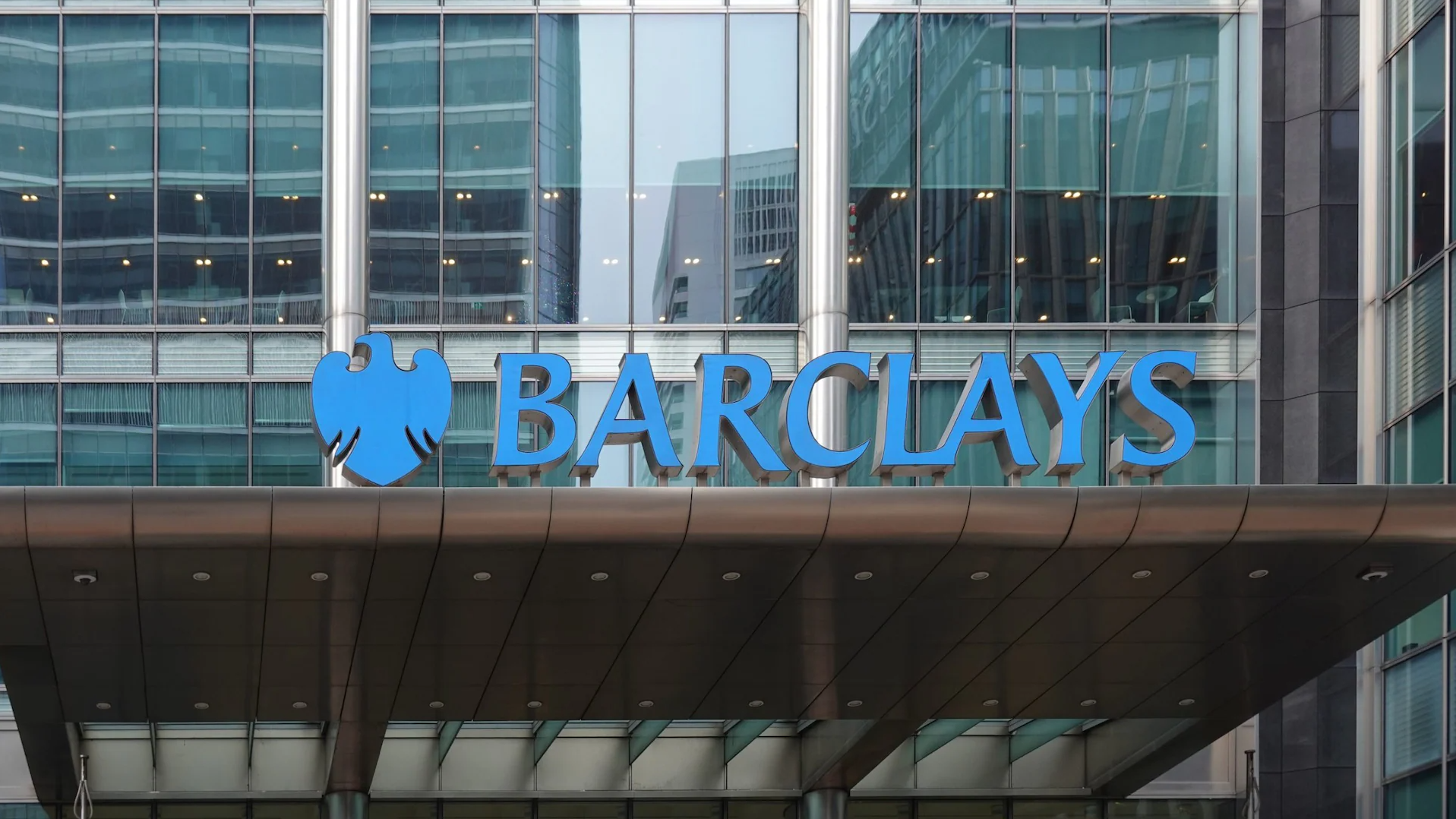
Barclays has reportedly taken a financial hit of around £230 million following the collapse of a shadow banking entity, raising fresh concerns about risk exposure in the global financial system. The incident has drawn attention from investors, analysts, and regulators, highlighting the vulnerabilities that still exist in non traditional lending sectors.
The loss is believed to be linked to a failed credit exposure involving a shadow banking structure, which operates outside the conventional regulated banking framework. While such systems often provide liquidity and financing flexibility, they also carry higher risks due to limited oversight.
What Is a Shadow Bank?
Shadow banking refers to financial activities carried out by non bank institutions that provide credit and financial services similar to traditional banks but without the same level of regulation. These can include investment funds, private credit firms, hedge funds, and other lending platforms.
While shadow banks play an important role in global finance by increasing access to credit, they are also considered risky because they may not have the same capital buffers or regulatory safeguards as traditional banks.
In this case, the collapse of a shadow banking entity has resulted in significant exposure for Barclays, leading to the reported £230 million loss.
How Barclays Was Exposed
Barclays’ exposure is believed to be linked to lending arrangements or investment structures connected to the failed entity. When the shadow bank collapsed, it triggered losses across financial partners and counterparties, including major institutions like Barclays.
Although the bank has not provided full public details of the transaction, analysts suggest that the exposure was part of broader credit or structured finance activities.
Such incidents highlight the interconnected nature of modern financial markets, where risks in one segment can quickly spread to large global banks.
Impact on Barclays’ Financial Position
A £230 million hit is significant, but analysts believe it is manageable for a bank of Barclays’ size. However, the loss still raises concerns about risk management and due diligence processes within the institution.
Investors reacted cautiously to the news, with attention focusing on whether this incident is isolated or part of a wider pattern of risky exposure in alternative credit markets.
Banks like Barclays are required to maintain strong capital buffers, which help absorb financial shocks. While the loss is unlikely to threaten overall stability, it may impact short term profitability.
Growing Risks in Shadow Banking
The shadow banking sector has grown rapidly in recent years, driven by demand for alternative financing and higher returns. However, regulators have repeatedly warned about potential risks associated with opaque structures and limited oversight.
During periods of financial stress, shadow banking entities can become vulnerable to liquidity shortages, defaults, or sudden collapses. When this happens, losses can quickly spread to traditional banks and institutional investors.
This latest incident involving Barclays highlights how interconnected the system has become, blurring the lines between regulated and unregulated financial activity.
Market Reaction and Investor Concerns
Following reports of the loss, market analysts have been assessing the potential long-term implications for Barclays. While there is no indication of systemic risk, investors remain cautious about exposure to similar financial structures.
Financial markets tend to react strongly to unexpected losses, especially when they involve complex or less transparent financial instruments. As a result, risk management strategies are likely to come under renewed scrutiny.
Some analysts believe that banks may tighten lending standards and reduce exposure to shadow banking counterparties in response.
Regulatory Attention Likely to Increase
Financial regulators have been monitoring the growth of shadow banking for several years. Incidents like this are expected to reinforce calls for stricter oversight and improved transparency.
Authorities may push for more disclosure requirements, better risk reporting, and closer monitoring of non bank financial institutions. The goal would be to reduce the chances of similar losses in the future.
While shadow banking is not inherently negative, regulators aim to ensure that risks are properly understood and managed across the financial system.
Lessons for the Banking Sector
The Barclays incident serves as a reminder of the importance of risk diversification and careful exposure management. Even large, well-established banks are not immune to losses originating from less regulated parts of the financial system.
Key lessons include:
- Stronger due diligence on counterparties
- Improved transparency in structured finance deals
- Better monitoring of shadow banking exposure
- Enhanced stress testing for financial shocks
Barclays’ reported £230 million loss due to a shadow bank collapse highlights ongoing risks within the global financial system. While the impact on the bank’s overall stability is expected to be limited, the incident raises important questions about risk exposure in less regulated financial sectors.
As shadow banking continues to grow, both regulators and financial institutions will need to balance innovation with caution. This case reinforces the importance of transparency, oversight, and robust risk management in maintaining financial stability.
Trending News