
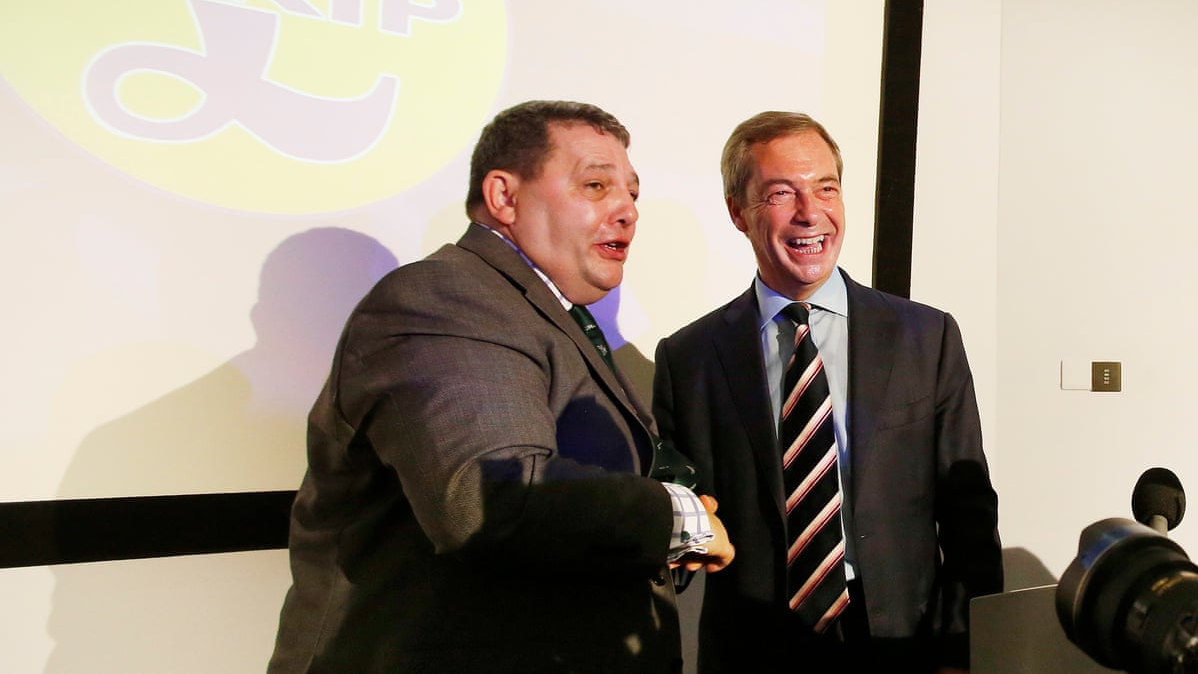
Former UK Independence Party (Ukip) Member of the European Parliament (MEP), David Coburn, has categorically denied allegations that he accepted money to promote Russian interests, following the jailing of his former colleague, Nathan Gill. Coburn, who was the leader of Ukip in Scotland, has come under intense scrutiny after he was named in WhatsApp messages between the jailed Nathan Gill and an alleged pro Russian asset, Oleg Voloshyn, a former Ukrainian politician. The messages, revealed during Gill's bribery trial, appear to discuss money intended for an MEP identified as "D" or "David." While the ongoing investigation has led to a major conviction for corruption, Coburn is strongly resisting any suggestion of involvement in the pro Russian influence campaign, asserting that he never received payment for his statements.
The controversy stems directly from the conviction of Nathan Gill, a prominent former MEP for both Ukip and the Brexit Party, who was sentenced to ten and a half years in prison for accepting bribes from Voloshyn. The bribes were in exchange for Gill making statements and giving interviews that supported the Kremlin's narrative on Ukraine. Prosecutors released WhatsApp messages showing Voloshyn and Gill discussing how much money should be set aside for another MEP, referred to by Gill as "D" and "David," specifically mentioning a sum of $6,500. This payment was allegedly related to a meeting of the editorial board for a pro Russian Ukrainian channel, 112 Ukraine, which both Coburn and Gill were members of in 2019.
The impact of this scandal is significant, widening the focus of the investigation into Russian interference in British politics beyond the already convicted Nathan Gill. The mere mention of Coburn, who also served as an MEP for the Brexit Party (a precursor to Reform UK), has prompted calls for a broader inquiry into pro Russian links within Eurosceptic political groups. When directly approached by a journalist, Coburn denied ever being paid to promote pro Russian campaigners. The controversy highlights the vulnerability of the European Parliament to foreign influence campaigns, particularly those orchestrated by pro Kremlin interests, with the ultimate source of the funds being linked to Viktor Medvedchuk, a close ally of Vladimir Putin.
While Coburn has firmly denied the allegations and no evidence has been presented publicly to prove he accepted any bribes, the political fallout is likely to continue. The Metropolitan Police Counter Terrorism Command, which led the investigation into Gill, has not ruled out further charges, and the Crown Prosecution Service (CPS) has commenced proceeds of crime proceedings against Gill to recover the illegally obtained money. The full extent of Russia’s successful efforts to manipulate European politicians remains a central and worrying question, placing sustained pressure on political parties to ensure the integrity of their representatives and operations against foreign interference.