Examining the Regulatory Failure: Why Recent Government Plans to Phase Out Bamboo Scaffolding Were Not Accelerated Across Hong Kong
Written byTimes Magazine
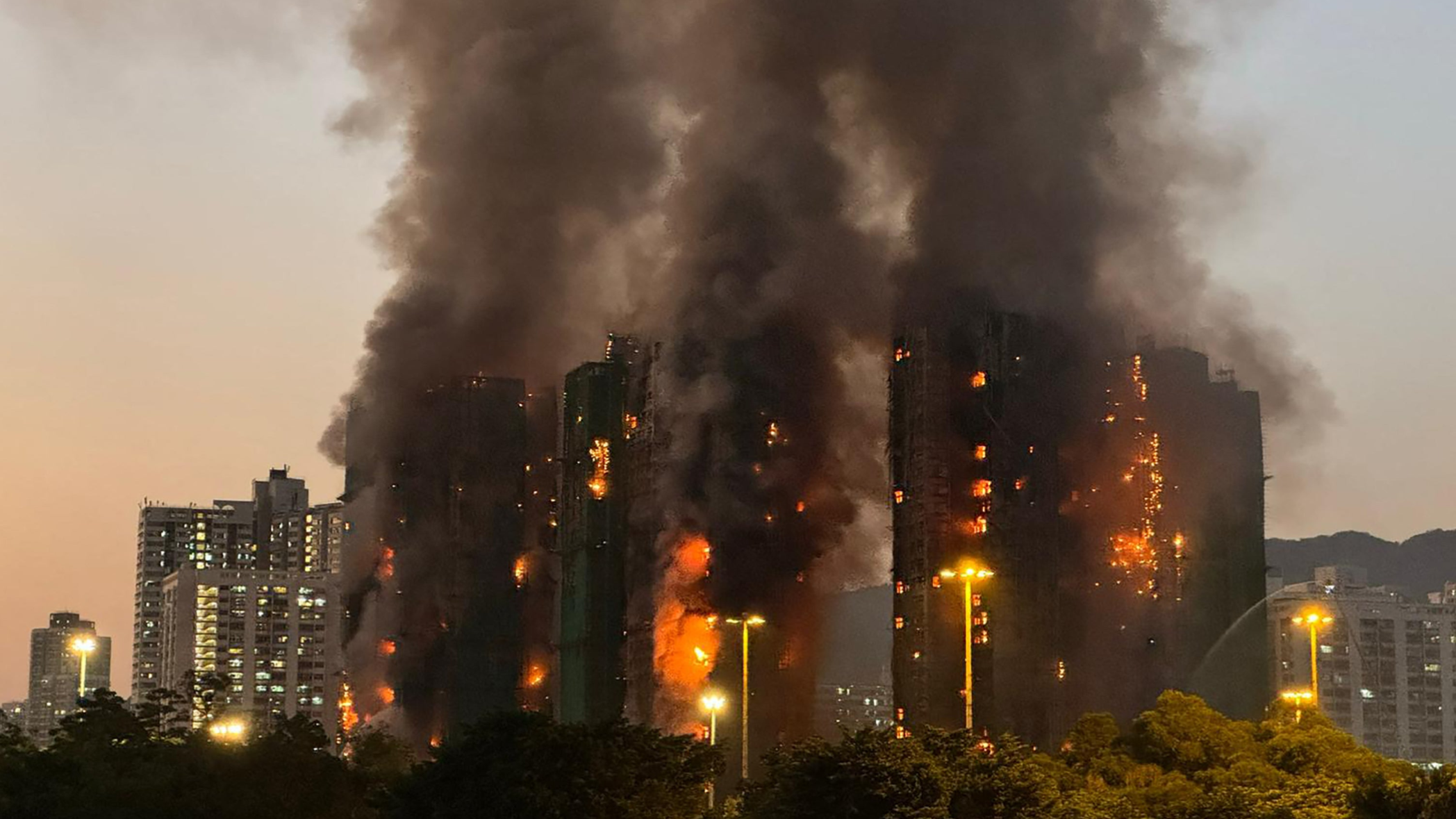
The catastrophic fire that ripped through the Wang Fuk Court residential complex in Hong Kong's Tai Po district, resulting in dozens of deaths and hundreds of residents displaced, has focused a critical investigation on the role of bamboo scaffolding in the disaster. The traditional, yet highly flammable, material encased several of the 32 story towers that were undergoing major maintenance work. Authorities and experts suggest that the bamboo latticework, along with green construction netting and potentially non-compliant materials used in the renovation, created a vertical chimney that allowed the fire to spread rapidly and uncontrollably across the apartment blocks. This tragedy, the city’s deadliest fire in decades, has reignited long standing debates over the safety of traditional construction practices in the dense, high rise urban environment.
The chain of events began on Wednesday afternoon when the fire broke out on the exterior of one of the towers. Witnesses and fire service officials have described how the blaze was quickly fueled by the bamboo scaffolding and the protective mesh sheets surrounding the building. Hong Kong police arrested three individuals executives from the construction firm on suspicion of manslaughter, stating that flammable materials left behind during the maintenance work, including Styrofoam used to seal windows, allowed the fire to spread rapidly beyond control. The intense heat and burning debris, amplified by strong winds, likely caused the flames to jump from one bamboo wrapped building to another, severely complicating rescue efforts and leading to the tragic loss of a firefighter.
The reliance on bamboo scaffolding, a mainstay of Chinese architecture and still common in Hong Kong, is increasingly being viewed as a cultural practice that poses significant fire safety risks in a modern context. Bamboo is favored for its low cost, light weight, and flexibility, making it highly adaptable for construction and repair work in the city’s tight spaces. However, it is inherently combustible. Mainland China and other regional cities have largely transitioned to fire resistant steel scaffolding for high rise construction. Recognizing the safety concerns, primarily related to falls and collapses, the Hong Kong government had announced plans in March to begin phasing out bamboo in public projects, requiring 50% of new public works to use metal frames. The Wang Fuk Court tragedy highlights the urgent need to accelerate this transition in the private sector as well, specifically addressing the fire hazard posed by the material.
The catastrophic outcome of the Tai Po fire demands immediate and stringent review of Hong Kong's building safety regulations, particularly those governing high rise maintenance and renovation projects. The investigation will scrutinize the fire rating compliance of the netting, plastic sheeting, and foam materials used alongside the bamboo. The legal liability of the arrested construction executives rests on proving gross negligence, suggesting a failure to adhere to the strictest safety standards during the renovation process. Ultimately, the long term outlook for construction in Hong Kong will likely involve a definitive end to the use of bamboo scaffolding on high rise projects. This move is necessary to ensure that the city's architectural heritage does not continue to compromise the safety of its densely packed population in the face of modern, devastating fire risks.