
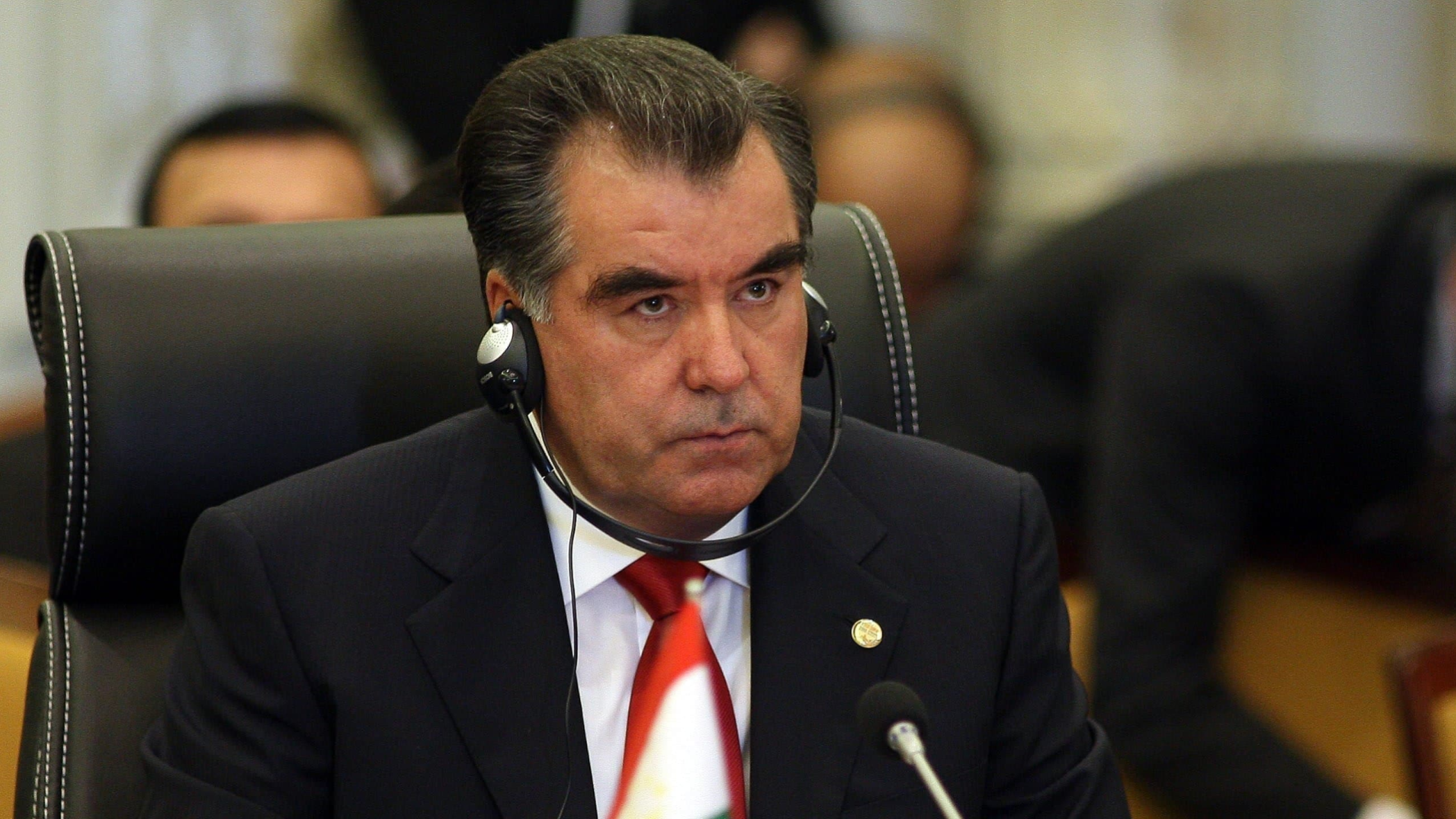
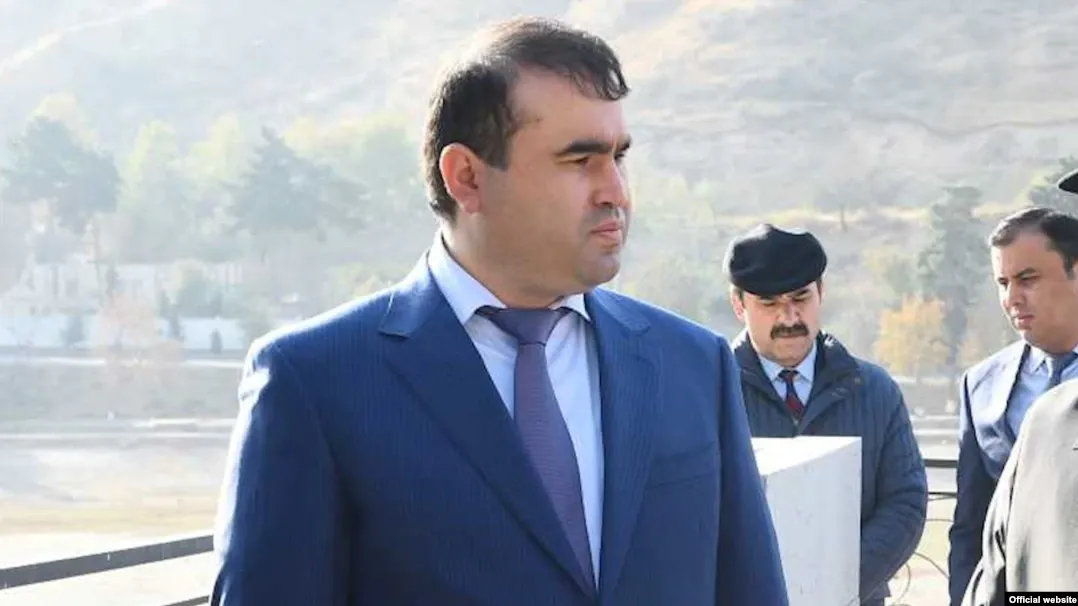
Hasan Asadullozoda is one of the most powerful business figures in Tajikistan and widely known as the Chairman of the Board of Orienbank, the country’s largest commercial bank. Born in July 1968, he is not only a prominent banker but also a key economic operator whose business reach extends across multiple sectors of Tajikistan’s economy.
Family and Early Background
Asadullozoda’s importance in Tajik society goes beyond just banking. He is the brother in law of President Emomali Rahmon, a connection that has played a major role in both his rise and perception within the government and business elite. This family link has made him a symbol of Tajikistan’s concentrated economic power structure, where top governmental and financial influence often overlaps with personal networks.
Leadership at Orienbank
Asadullozoda became the Director and later Chairman of Orienbank in the early 2000s, a private bank that is closely aligned with state interests. Under his leadership, Orienbank grew into Tajikistan’s largest and most influential commercial banking institution, handling a wide range of financial services and becoming deeply interconnected with both private and government business ventures.
His leadership has not been limited to banking alone. Reports indicate that he began directing the bank in 2003 and has maintained a steady grip on its operations, making Orienbank a central pillar of Tajikistan’s financial system. Many local and international observers see him as one of the key decision‑makers in the country’s economy.
Business Empire Beyond Banking
While banking is his mainstay, Asadullozoda is widely believed to have expanded his interests into a broad array of sectors including airlines, industrial groups, and major supply chains. Unofficial sources suggest that he holds significant stakes in industries such as:
-
Air transportation – linked to Somon Air and aviation interests
-
Industrial supply – including firms that provide raw materials like bauxite
-
Retail and hospitality sectors – through affiliated companies
-
Investment and insurance ventures
Although exact shareholdings are rarely publicly disclosed, his influence is understood to touch multiple revenue‑generating industries in Tajikistan’s economy, making him more than just a banker but a diversified business magnate.
Recognition and Awards
Asadullozoda has not only been recognized domestically but also received international acknowledgment for his role in strengthening economic development. In 2009, he was honored with the prestigious International Socrates Award for his contributions to economic leadership and business innovation in Tajikistan.
Such awards display his standing in the international business community and underline the strategic role he plays in the development of financial and economic cooperation abroad.
Criticism and Controversy
Despite his success, Asadullozoda’s career has also been marked by controversy. Because of his close ties to the presidency and rapid accumulation of business power, critics often point to nepotism and concentrated wealth among Tajikistan’s elite. Analysts have described Tajikistan’s governance as highly centralized, with family members and close associates holding key economic and political positions. This has fueled debate both inside and outside the country about equality, transparency, and the role of private influence in state affairs.
However, supporters argue that his leadership and business expansion have been a stabilizing force in Tajikistan’s post Soviet economic development, creating jobs and attracting investment at a time when the country needed financial growth and sector diversification.
Impact on National Economy
Over the past two decades, Asadullozoda has become an undisputed central figure in shaping Tajikistan’s modern economy. From the banking system to key infrastructure investments, his business decisions resonate throughout the national financial landscape.
Orienbank’s role under his leadership has contributed significantly to the financial stability and availability of commercial lending in the country. Its growth reflects wider trends in Central Asian finance where private banks increasingly fill gaps left by state monopolies.
Hasan Asadullozoda remains one of the most polarizing yet powerful figures in Tajikistan. As a banker, businessman, and relative of the country’s president, his influence spans multiple economic layers from major corporations to the everyday financial experiences of Tajik citizens. Whether viewed as a national economic driver or a symbol of elite economic consolidation, his story continues to shape discussions about business, politics, and power in Central Asia.