
UK On-Street EV Charging Becomes ‘Postcode Lottery’ as Drivers Face Council Barriers
Written byTimes Magazine
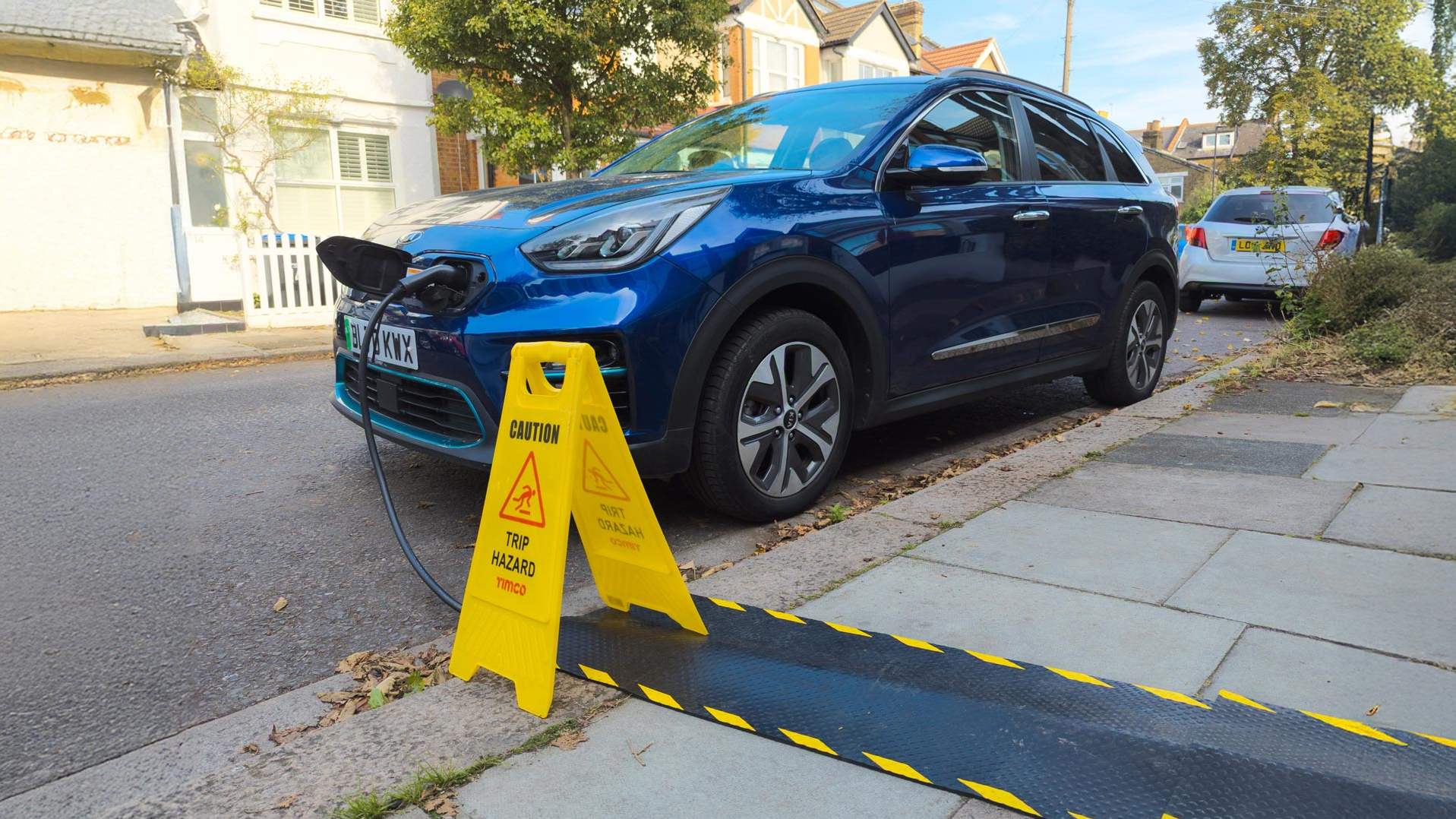
Electric vehicle (EV) drivers across the UK are facing what campaigners describe as a growing “postcode lottery” for on-street charging, with access to infrastructure often depending on where they live rather than their transportation needs.
Many motorists, particularly those without private driveways, say they are encountering significant obstacles when attempting to install or access on-street charging solutions. In some areas, local councils have embraced new charging technologies, while others have rejected proposals due to planning, safety, or street-design concerns.
The issue is becoming increasingly important as the UK continues its transition away from petrol and diesel vehicles.
Growing Divide in EV Charging Access
One of the biggest challenges facing electric vehicle adoption is ensuring convenient charging for residents who park on public streets.
While homeowners with private driveways can often install personal charging units, millions of urban residents rely entirely on public infrastructure.
Drivers report that access varies dramatically depending on local authority policies, creating major differences between neighboring communities.
Key concerns include:
- Limited charging points
- Long waiting times for installations
- Planning permission complications
- Uneven council support
- Higher charging costs in some regions
Campaigners argue that EV ownership should not depend on a person's postcode.
Councils Taking Different Approaches
Local councils across the UK have adopted very different strategies regarding on-street charging.
Some authorities have invested heavily in:
- Lamp-post charging systems
- Kerbside chargers
- Residential charging hubs
- Community charging projects
Others have expressed concerns about:
- Pavement safety
- Street clutter
- Accessibility for pedestrians
- Installation costs
- Maintenance responsibilities
As a result, EV drivers in one town may have significantly better charging access than those living only a few miles away.
Drivers Without Driveways Hit Hardest
The problem particularly affects residents living in:
- Flats and apartments
- Terraced housing
- Dense urban neighborhoods
- Historic districts
Without private parking spaces, many EV owners depend entirely on public charging infrastructure.
Some drivers report needing to travel considerable distances simply to recharge their vehicles, reducing the convenience and cost savings associated with electric transport.
EV Adoption Goals Under Pressure
The UK government has set ambitious targets for reducing vehicle emissions and expanding electric vehicle adoption.
However, transportation experts warn that charging accessibility remains one of the biggest obstacles to achieving those goals.
Potential buyers continue citing concerns over:
- Charging availability
- Infrastructure reliability
- Range anxiety
- Installation costs
Industry groups argue that expanding public charging networks must remain a priority if EV sales are to continue growing.
Accessibility and Safety Concerns
Many councils objecting to certain charging proposals point to genuine safety concerns.
Issues raised include:
- Charging cables crossing pavements
- Trip hazards for pedestrians
- Access challenges for wheelchair users
- Emergency service access requirements
Authorities say balancing infrastructure growth with public safety remains essential.
However, EV advocates argue that modern charging solutions can address many of these concerns through improved design and regulation.
Industry Calls for National Standards
Electric vehicle organizations and industry representatives are increasingly calling for more consistent national guidance.
Supporters say nationwide standards could help:
- Simplify approval processes
- Reduce regional disparities
- Speed up installations
- Improve accessibility
A standardized framework could also help councils make decisions more quickly and consistently.
Charging Network Continues Expanding
Despite ongoing challenges, the UK’s public charging network continues to grow rapidly.
Thousands of new charging points have been installed over recent years, including:
- Fast chargers
- Ultra-rapid chargers
- Residential charging units
- Workplace charging facilities
However, demand is also increasing as EV ownership rises nationwide.
Experts say infrastructure expansion must continue accelerating to keep pace with future growth.
Residents Seeking Fairer Access
Many EV drivers argue that charging availability should be treated as an essential part of transport infrastructure.
Campaigners are urging policymakers to ensure residents without private parking receive equal access to charging options.
They warn that unequal infrastructure could discourage potential buyers from switching to electric vehicles.
Technology Offering New Solutions
Several companies are developing new technologies designed to overcome on-street charging challenges.
Emerging solutions include:
- Retractable charging systems
- Wireless charging technology
- Lamp-post chargers
- Pop-up charging points
Supporters believe innovation could reduce conflicts over street space and improve accessibility.
The debate over on-street EV charging highlights a growing challenge in the UK's transition to electric transportation. While some communities enjoy expanding access to convenient charging infrastructure, others continue facing delays and council objections, creating what many describe as a postcode lottery for EV ownership.
As electric vehicle adoption accelerates, pressure is likely to increase on local authorities and national policymakers to ensure charging access becomes more consistent, accessible, and fair across the country.
Trending News